Why Dahshur is special
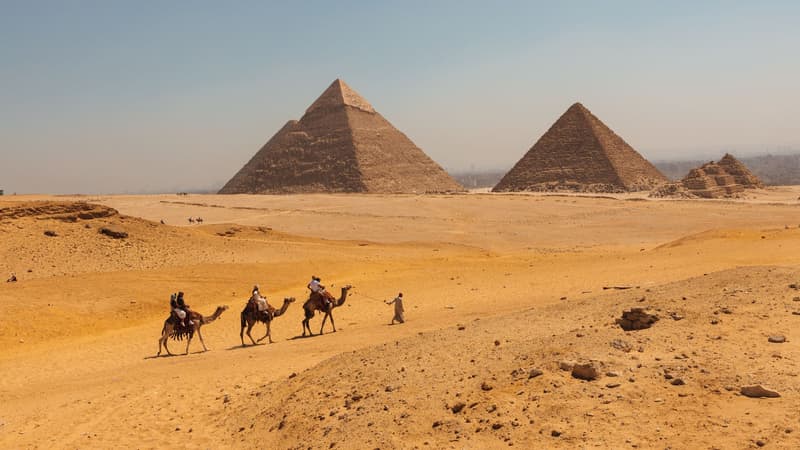
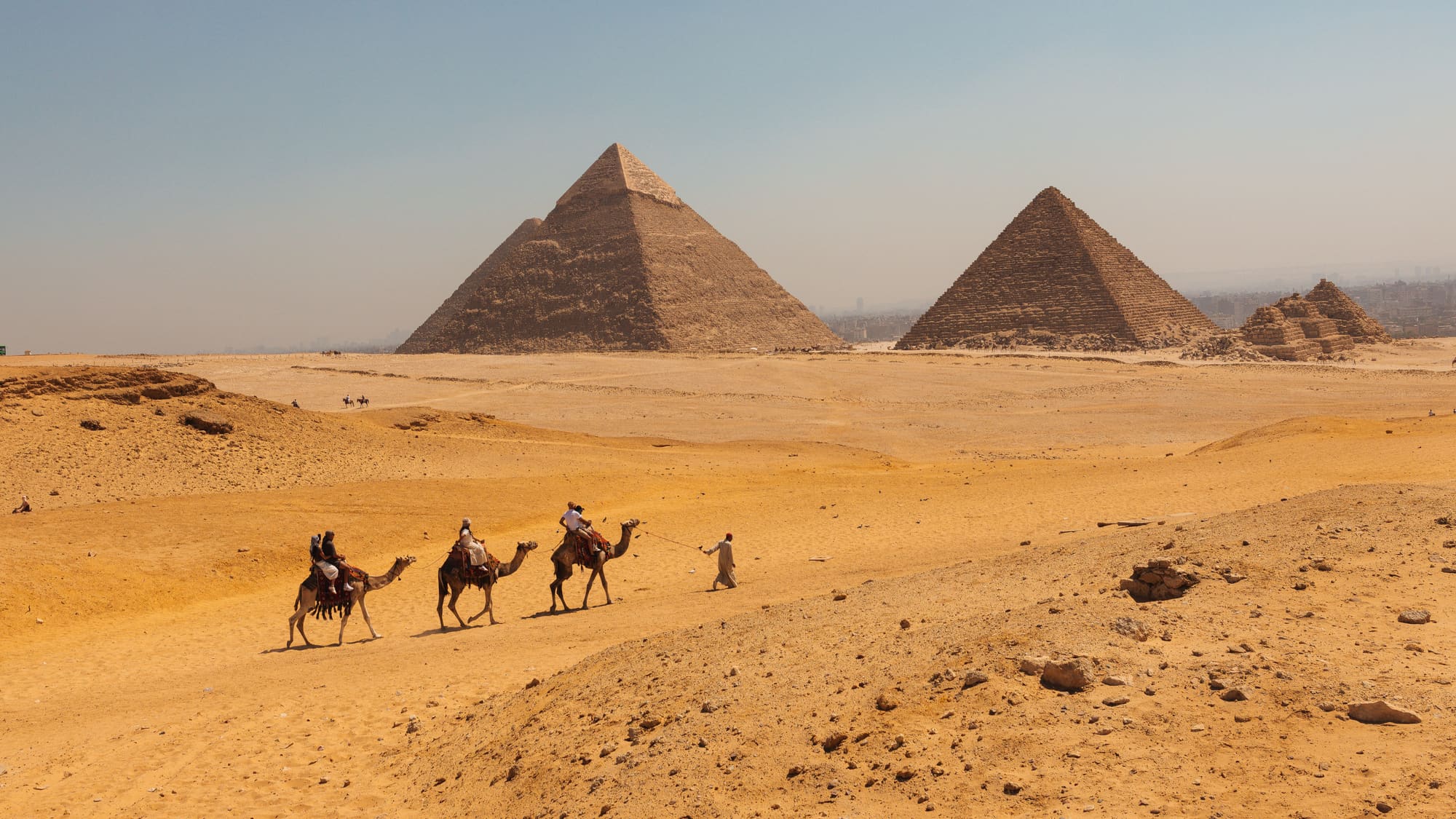
Dahshur is where the pyramid age came of age. Around 2600 BC, Pharaoh Sneferu built two giant pyramids here — the Bent Pyramid and the Red Pyramid — perfecting the smooth-sided form that his son Khufu would take to Giza. Closed to visitors as a military zone until 1996, Dahshur remains wonderfully peaceful: you’ll share it with a few tour groups, some camels and the desert wind.
The site is part of the UNESCO World Heritage property “Memphis and its Necropolis — the Pyramid Fields from Giza to Dahshur”, and it combines perfectly with Saqqara and Memphis a few kilometres to the north.
Tickets & opening hours
- Opening hours: daily 8:00–17:00, last entry around 16:00. During Ramadan hours are usually shortened (roughly 9:00–15:00).
- Ticket price: around EGP 200 for foreign adults and about half for students with an ISIC card. The ticket covers the site, including the Red Pyramid interior and, when open, the Bent Pyramid.
- Payment: Egyptian archaeological sites are now cashless — pay by credit or debit card at the ticket office.
- Vehicles: a small fee is charged for cars entering the site.
- Photography: photos with phones and personal cameras are generally allowed; drones are strictly prohibited in Egypt without a permit.
What to see
The highlights of Dahshur and its neighbours:
 Dahshur necropolis
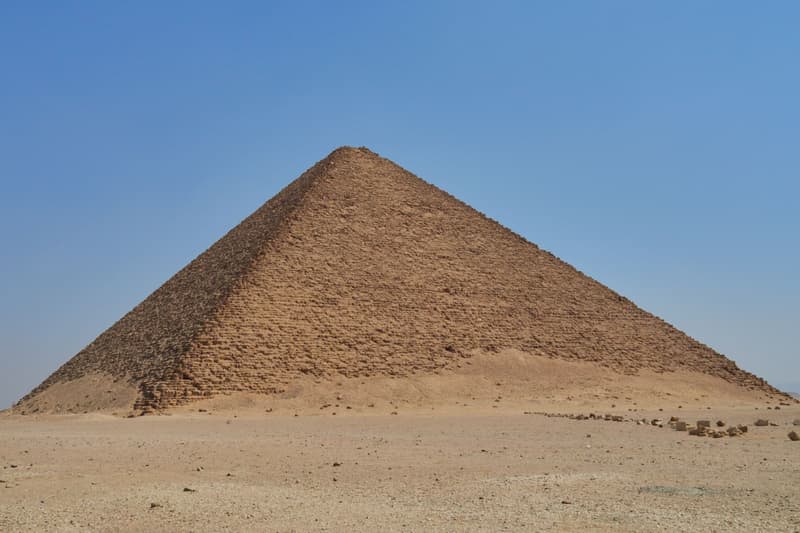
Red Pyramid
The world’s first true pyramid — and you can go inside
Sneferu’s masterpiece and Egypt’s third-largest pyramid. Climb to the entrance, descend a 60-metre passage and stand beneath the soaring corbelled roofs of its three chambers — usually with barely anyone else around.
 Dahshur necropolis
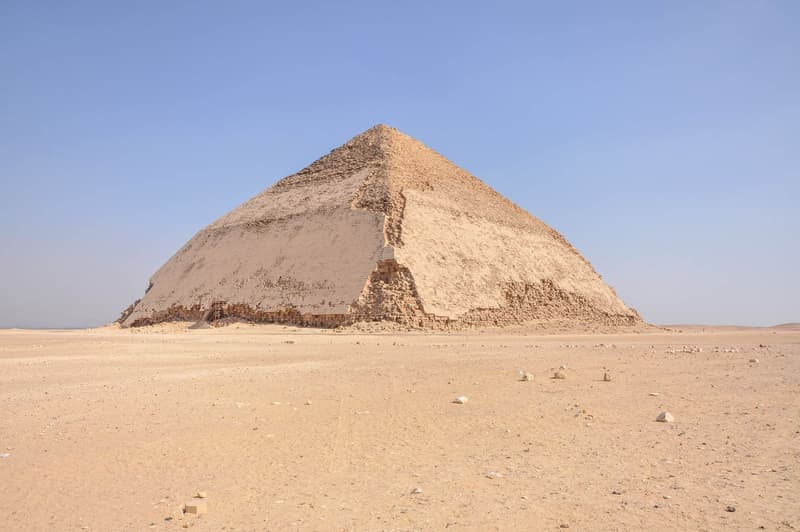
Bent Pyramid
The pyramid that changed its mind halfway up
Sneferu’s extraordinary experiment: the slope changes from about 54° to 43° partway up, and it still wears more of its original polished casing than any other pyramid in Egypt.
 Dahshur necropolis
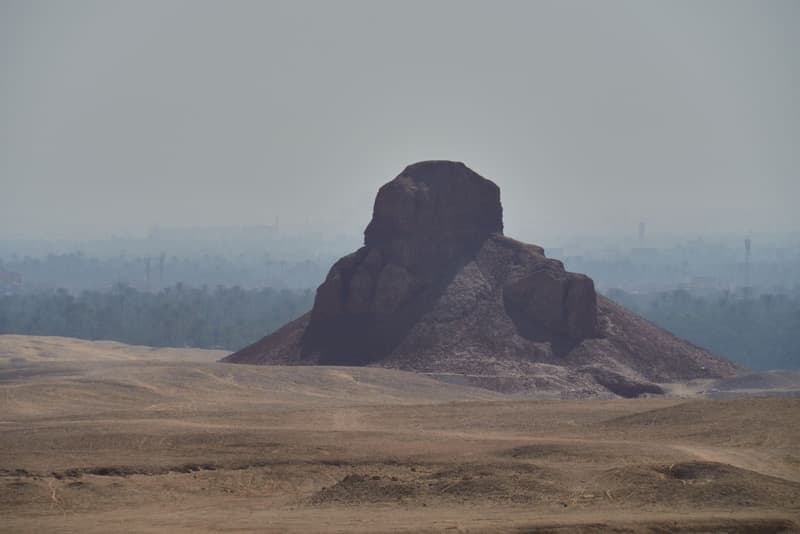
Black Pyramid
A haunting mudbrick ruin of the Middle Kingdom
Built some 700 years after Sneferu’s pyramids for Amenemhat III, the Black Pyramid lost its casing long ago. Its dark, eroded core now rises from the desert like a crumbling tower.
 Dahshur necropolis
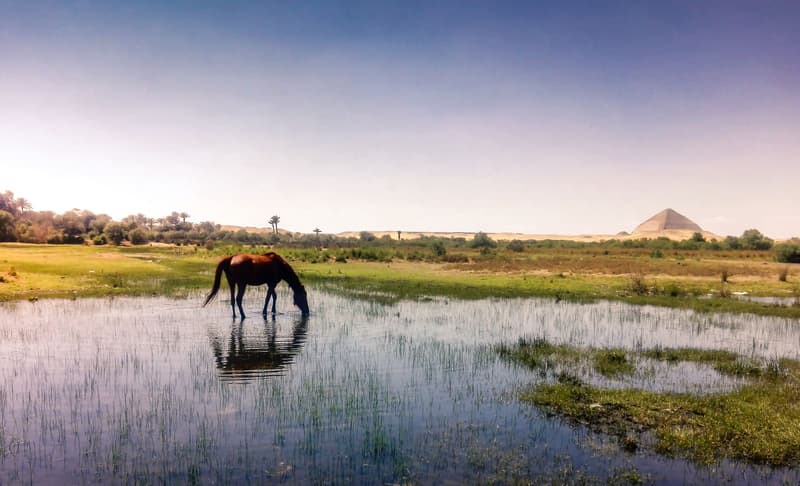
Dahshur Lake & Village
Palm groves, birdlife and rural Egypt
Between the pyramids and the Nile lies a green world of palm groves, fields and a shallow lake that mirrors the Bent Pyramid — one of the most peaceful views anywhere near Cairo.
See all of them in our Dahshur sights guide.
Sample itineraries
Half day: Dahshur only (3–4 hours)
Leave Giza at 7:30, arrive at opening time and go straight inside the Red Pyramid. Continue to the Bent Pyramid, photograph the Black Pyramid, pause at Dahshur Lake and be back for lunch. Perfect with a private Red Pyramid tour.
Full day: Saqqara, Memphis & Dahshur (6–7 hours)
The classic. Start at Saqqara with the Step Pyramid and painted tombs, see Ramesses II at Memphis, have lunch at a local restaurant, and finish at Dahshur in the quiet afternoon. This is what most top-rated tours offer.
Two days in Cairo: the complete pyramid story
Day 1: Giza plateau at opening time, then the Grand Egyptian Museum. Day 2: Saqqara, Memphis and Dahshur, ending with a sunset felucca on the Nile. Stay in Giza to keep the driving short.
Combine Dahshur with Giza and the south
The Giza plateau lies only about 25 km north of Dahshur, so the two pyramid fields fit naturally into one Cairo stay — our Giza Pyramids travel guide covers tickets, the new Great Gate entrance and the Grand Egyptian Museum.
If your trip continues up the Nile to Aswan, the rock temples of Ramesses II at Abu Simbel are the classic add-on; our guide to getting from Aswan to Abu Simbel compares the road trip and the flight.
Practical tips
- Bring water, snacks and sunscreen. There are no cafés at the site and toilets are unreliable.
- Wear sturdy shoes with grip for the Red Pyramid passage, and clothes you don’t mind getting dusty.
- Dress modestly — shoulders and knees covered is respectful, especially in the villages.
- Carry small notes in Egyptian pounds for tips (baksheesh) to drivers and guardians.
- Hawkers are few, but camel owners may offer rides near the Red Pyramid — agree a price first if you’re interested.
- Carry your passport or a copy — there are police checkpoints on the roads south of Cairo.
- Mobile signal is generally fine near the pyramids but can drop around the edges of the site.
Food & drink
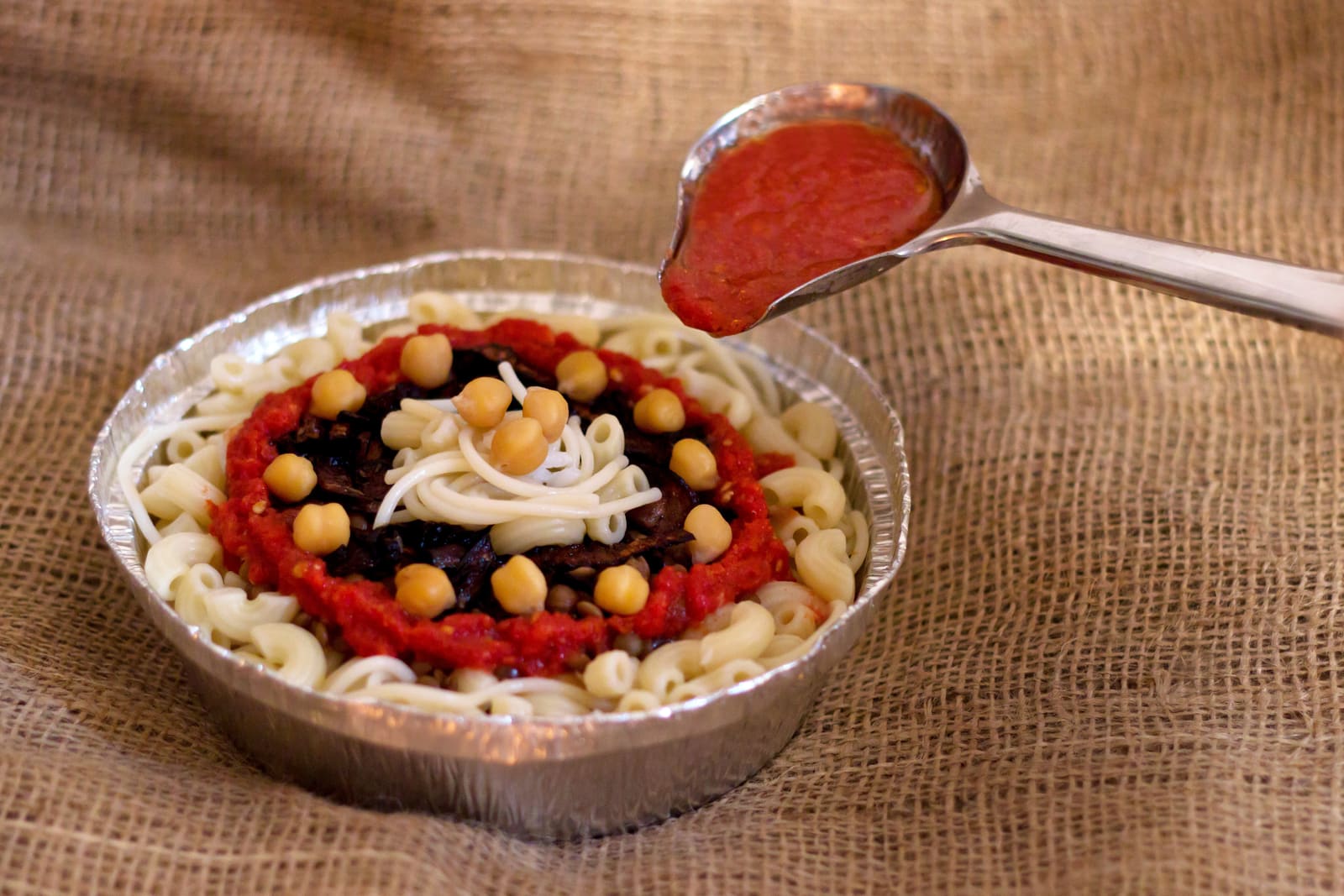
Most tours stop for lunch at a garden restaurant in the Saqqara area, serving Egyptian classics like grilled kofta, freshly baked aish baladi bread, tahini, falafel (ta’ameya) and stuffed vegetables. Back in Cairo, don’t miss koshari — the national dish of rice, lentils, pasta and chickpeas topped with spicy tomato sauce and crispy onions — and a glass of fresh mango or sugarcane juice.