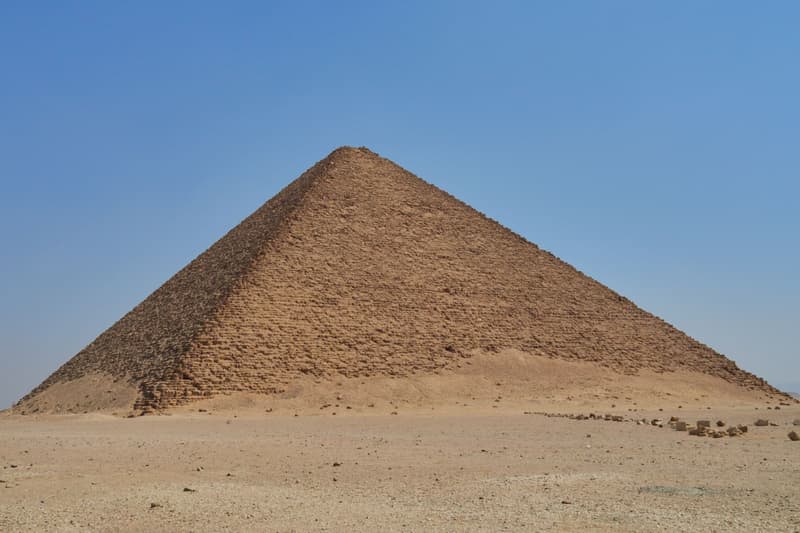
Dahshur is in the desert, so the climate is simple: hot, sunny and dry. It almost never rains, and the main thing you need to plan around is heat. The cooler months from October to April are ideal; in summer, visit as early as the gates open.
Winter (December–February): best overall
Pleasant days of 19–22 °C and cool mornings make winter the most comfortable time to explore — and to crouch through the Red Pyramid passage. It is also peak season in Egypt, especially around Christmas and New Year, so book tours and hotels early. Bring a warm layer for early starts.
Spring (March–May): warm, with the occasional sandstorm
March and April are lovely, climbing into the high 20s °C. From March to May, the hot, dusty khamsin wind can occasionally blow in from the Sahara and haze the sky for a day or two. By May, midday temperatures often reach 33 °C or more.
Summer (June–September): hot — go early
Daytime highs of 34–36 °C (and hotter in heatwaves) make the exposed desert tough by late morning. The upside: fewer visitors and lower hotel prices. Start at 8:00, visit the Red Pyramid first, carry plenty of water and plan air-conditioned museum time for the afternoon.
Autumn (October–November): the sweet spot
Temperatures ease back into the high 20s °C, the light is golden and crowds haven’t yet peaked. For many travellers, late October and November are the perfect months for Dahshur.
Best time of day
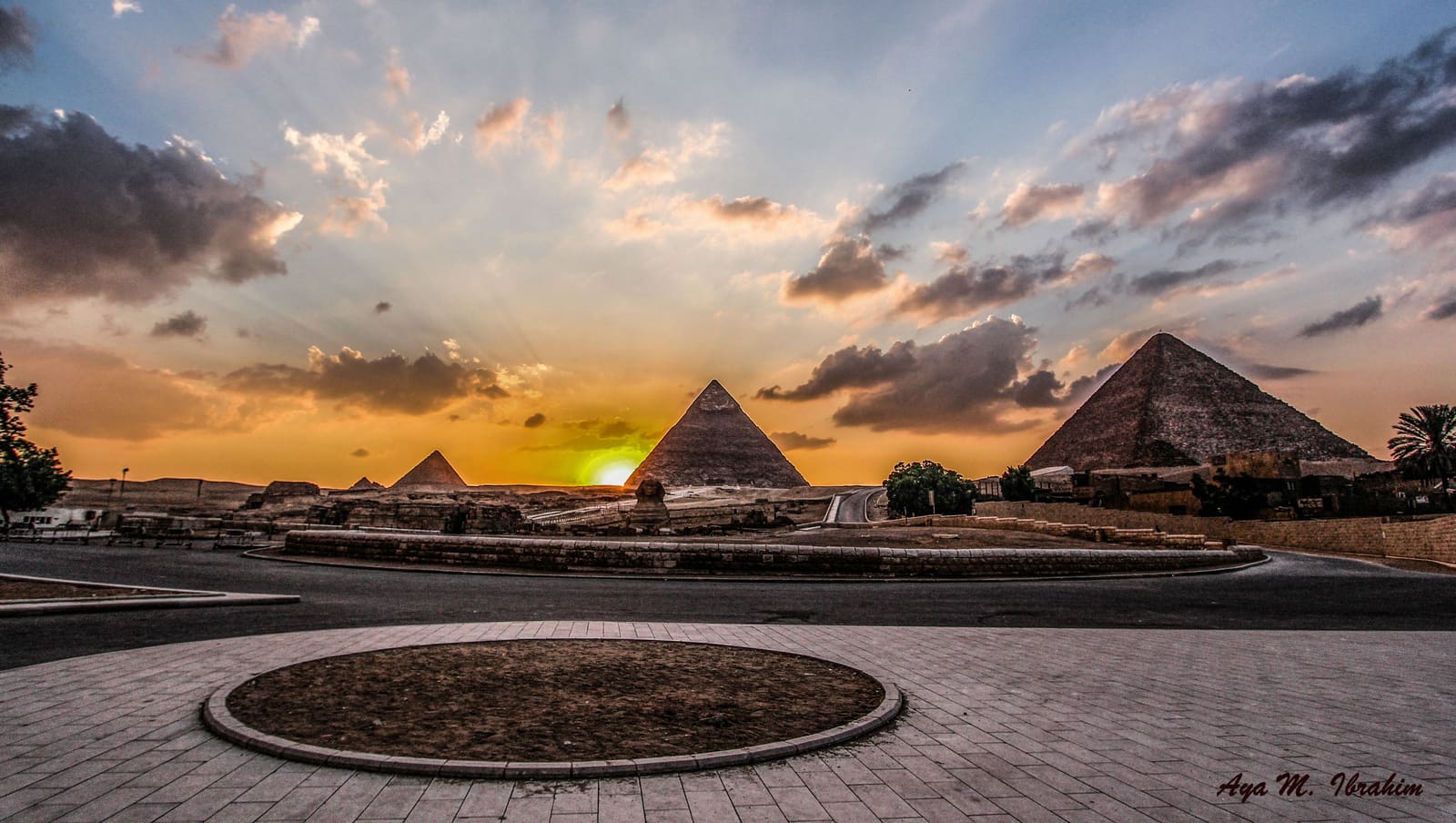
Arrive at 8:00 to have the Red Pyramid almost to yourself and beat the heat. Alternatively, visit in the early afternoon after the morning tour groups have left — the low sun then lights up the Bent Pyramid’s casing beautifully. The site closes at 17:00, so it isn’t possible to stay for sunset inside.
Ramadan and public holidays
During Ramadan (in 2027 expected from about early February to early March) opening hours are usually shortened to around 9:00–15:00, and some restaurants close during the day. Eid holidays bring more domestic visitors to the major sites, although Dahshur stays calm.
Dahshur weather by month
| Month | Avg high | Avg low | Crowds | Verdict |
|---|---|---|---|---|
| January | 19 °C | 9 °C | High | ★★★★★ |
| February | 21 °C | 10 °C | High | ★★★★★ |
| March | 24 °C | 12 °C | Medium | ★★★★☆ |
| April | 28 °C | 15 °C | Medium | ★★★★☆ |
| May | 32 °C | 18 °C | Low | ★★★☆☆ |
| June | 34 °C | 21 °C | Low | ★★☆☆☆ |
| July | 35 °C | 22 °C | Low | ★★☆☆☆ |
| August | 35 °C | 23 °C | Low | ★★☆☆☆ |
| September | 33 °C | 21 °C | Low | ★★★☆☆ |
| October | 30 °C | 18 °C | Medium | ★★★★★ |
| November | 25 °C | 14 °C | High | ★★★★★ |
| December | 21 °C | 10 °C | High | ★★★★★ |
Approximate averages for the Cairo–Giza area. Temperatures in the open desert at midday can feel several degrees hotter.
What to pack
- Sun hat & sunglasses
- SPF 50 sunscreen
- 1–2 litres of water per person
- Closed shoes with grip
- A light scarf against dust
- A warm layer (Dec–Feb mornings)
- Credit/debit card for tickets
- Small notes for tips